

Solar Battery Price Sydney 2026: Complete Cost Guide & Best Deals
If you’re evaluating the solar battery price sydney offers, this comprehensive 2026 guide will equip you with in-depth insights on costs, installation, popular brands, and local incentives. Understanding solar battery price sydney options for Sydney homes is essential to optimise your solar energy storage and get maximum return on investment.
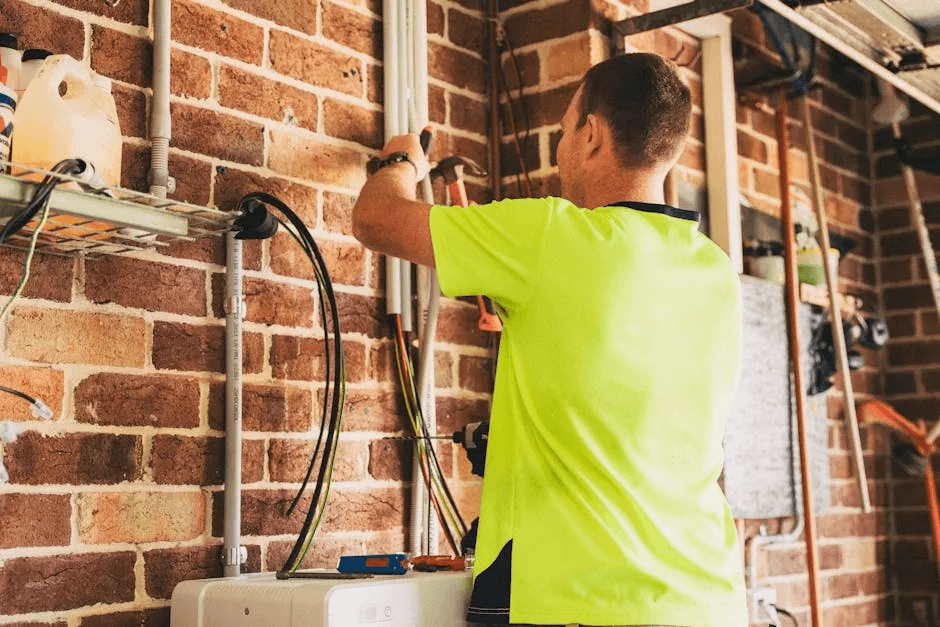
If you are searching for the most accurate solar battery price Sydney has to offer in 2026, you have come to the right place. The market has shifted considerably over the past two years, with new federal rebates reshaping the numbers and a wave of budget-friendly brands challenging the premium players. This guide cuts through the confusion, giving you real installed prices, post-rebate figures, and the payback maths that matter for Sydney households. Whether you own a 6.6 kW solar system and want to stop feeding cheap power into the grid, or you are planning a full solar-plus-storage installation from scratch, the data here comes from verified NSW Government sources, installer quotes, and current market pricing, not sales brochures.
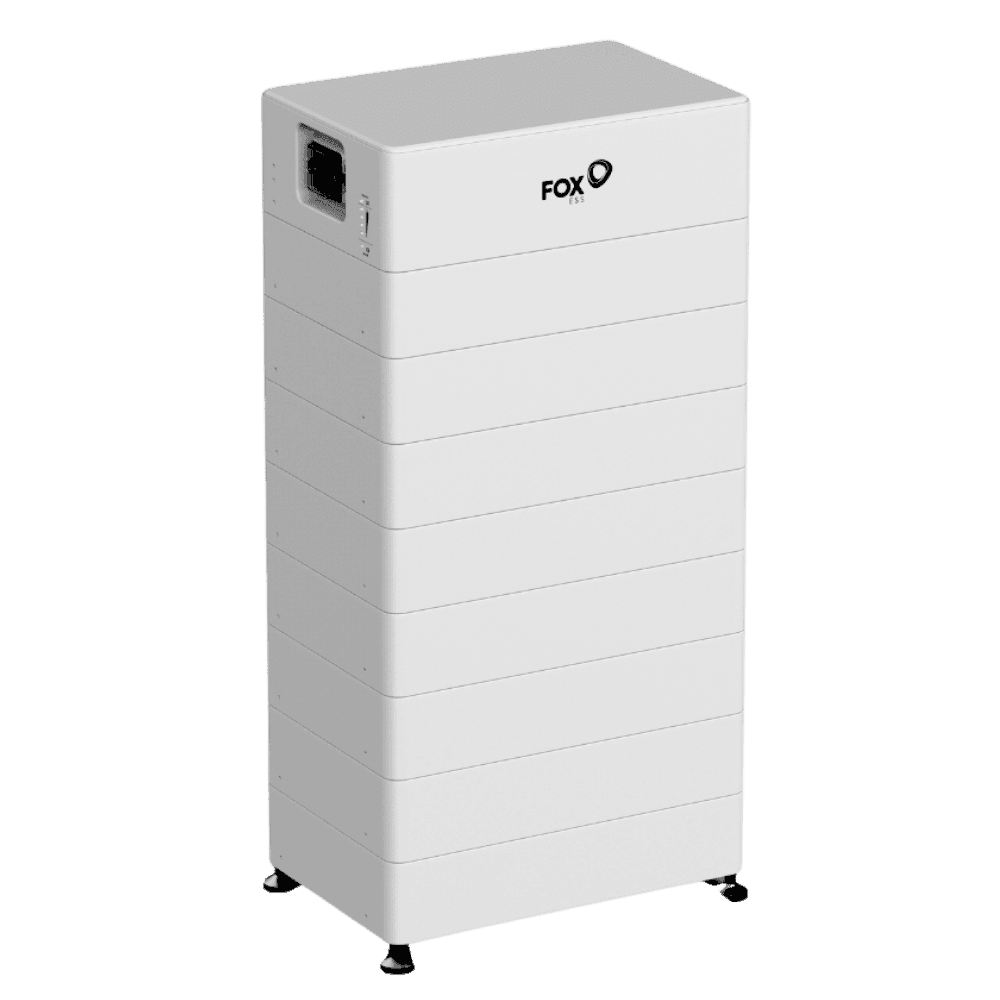
Foxess Solar Battery 15kWh – Reliable Home Energy Storage
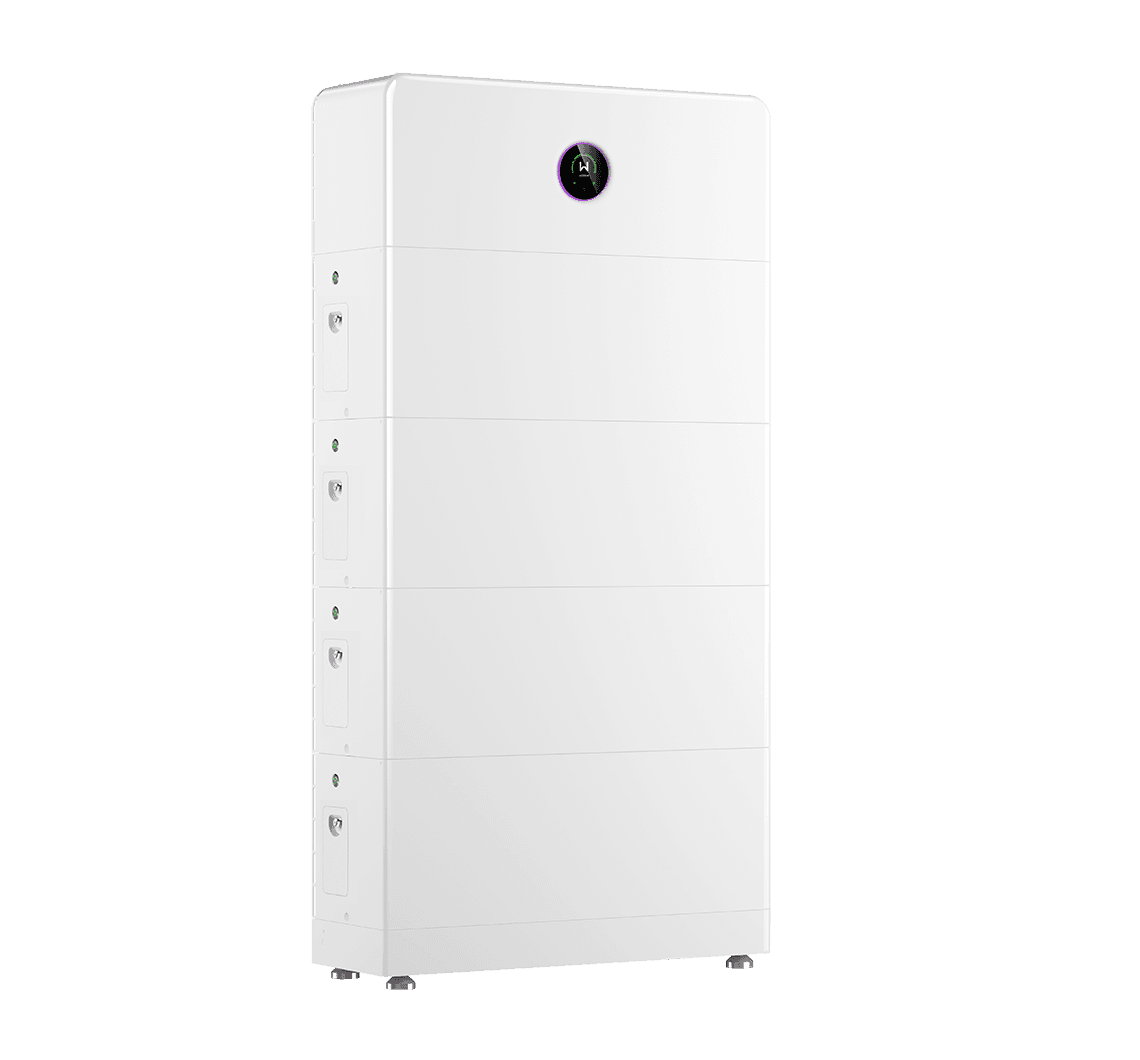
GoodWe ESA Battery 15kWh – Reliable Solar Storage for Australia
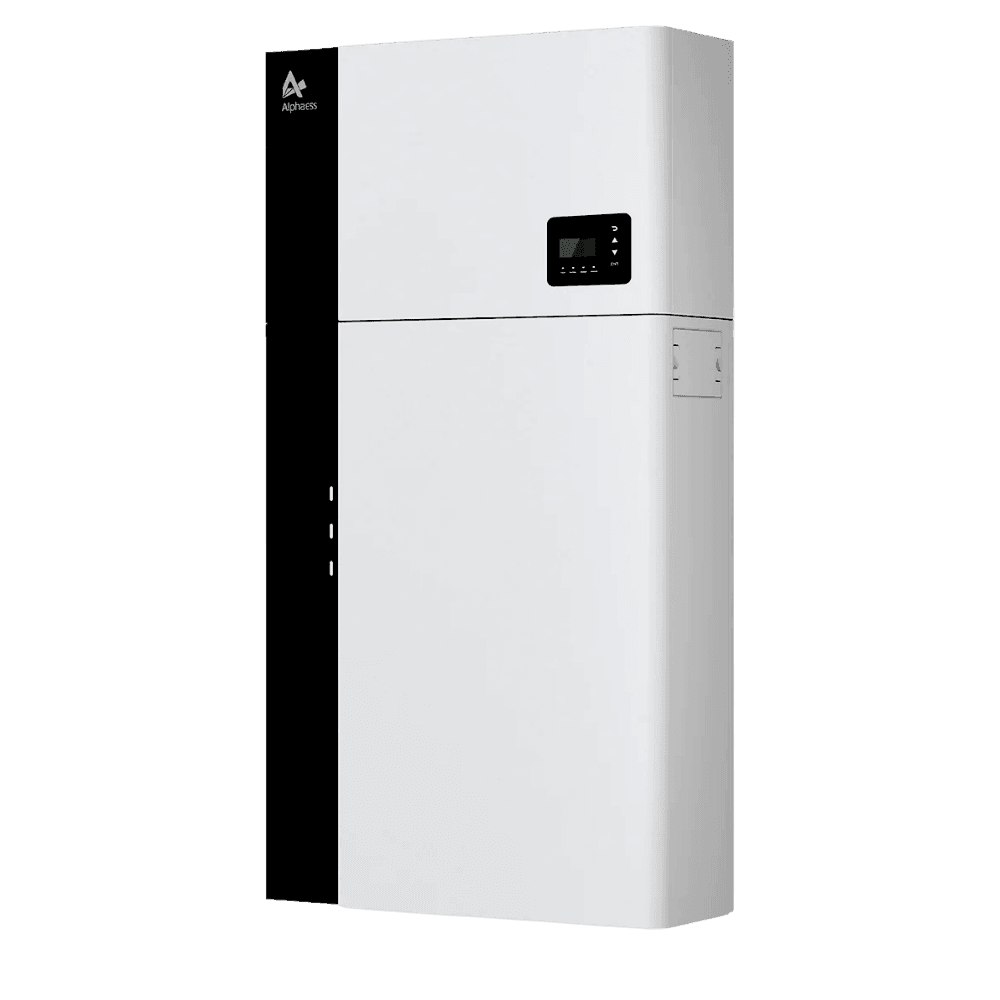
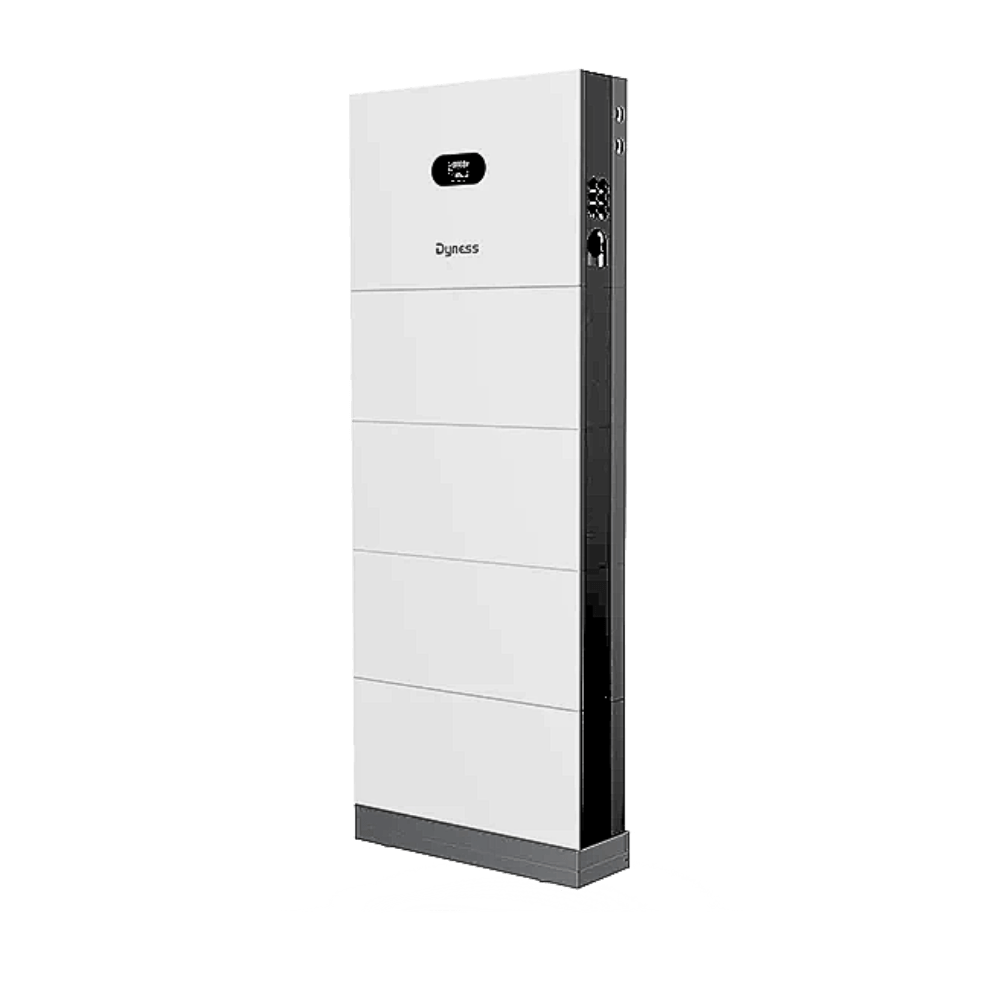
Dyness Cygni 15.36kWh Battery w 10kWh Inverter
Table of Contents
Why Sydney Homeowners Are Investing in Solar Batteries in 2026
Sydney electricity tariffs have been climbing steadily, and the gap between peak and off-peak rates has widened to the point where storing daytime solar makes undeniable financial sense. A household that used to export excess generation for a modest feed-in tariff can now bank that energy and use it during the expensive evening window, when grid prices spike.
The NSW Government reports that a typical home battery can save between $600 and over $2,500 per year, depending on household size, consumption patterns, and the tariff structure. That range is not hypothetical: it reflects real data from Sydney homes operating under time-of-use metering.
Two policy tailwinds are accelerating adoption in 2026. The federal Cheaper Home Batteries Program, active since 2025, provides a point-of-sale discount that slashes upfront costs by thousands. At the state level, the NSW Virtual Power Plant incentive rewards households for allowing their battery to be managed during grid peak events, delivering both upfront payments and ongoing credits.
The result is a payback period that has dropped to approximately seven years for a well-sized system. With most quality batteries carrying a 10-year warranty, that leaves three to eight years of effectively free stored energy, a proposition that was difficult to justify as recently as 2023.
How Much Does a Solar Battery Cost in Sydney? (2026 Pricing)
The price of a solar battery in Sydney depends on usable capacity, brand, installation complexity, and whether you are retrofitting to an existing solar array or installing a complete new system. The figures below reflect installed costs from Sydney-based, Clean Energy Council accredited installers in 2026, before any rebates are applied.
Insights on Solar Battery Price Sydney
The solar battery price Sydney residents encounter depends on several key factors. Battery capacity, brand reputation, technology type, and installation complexity all influence the final cost. For instance, lithium-ion batteries are generally pricier but offer longer lifespans and higher efficiency than lead-acid alternatives. Additionally, local market competition and installer fees cause price variations. Sydney’s grid policies, such as export limits and feed-in tariffs, also indirectly impact your battery setup approach—sometimes influencing overall system sizing and cost.
Local Factors Influencing Solar Battery Prices in Sydney Suburbs
Solar battery pricing can vary across Sydney’s suburbs due to local electricity tariffs, grid export limits, and property specifics. Areas with restrictive DNSP export rules may require larger storage capacity, impacting cost. Feed-in tariffs also differ modestly by region, influencing the economic return on battery investment. Understanding your suburb’s unique conditions enables tailored system design and cost optimisation.
Average Installed Price Range (Before Rebates)
Entry-level systems in the 5 to 6 kWh range start from approximately $5,000 installed. These smaller batteries suit apartments or homes with modest evening consumption, covering essentials like lighting, refrigeration, and entertainment for a few hours after sunset.
Mid-range batteries, typically 10 to 13 kWh, are the sweet spot for a family of four with a 6.6 kW solar system. Installed prices range from $8,000 to $16,000 depending on the brand and the specific installation requirements of your property.
Large systems of 15 kWh and above push into the $15,000 to $24,000 bracket. A Sigenergy 16 kWh unit, for example, comes in at approximately $16,183 installed. These larger batteries suit households with high evening loads, electric vehicle charging, or those aiming for near-complete grid independence.
On a cost-per-kWh basis, expect to pay between $800 and $1,300 per usable kilowatt-hour installed. The lower end of that range typically represents budget-oriented brands with solid but less feature-rich performance, while the upper end reflects premium engineering, longer warranties, and higher round-trip efficiency.
Popular Battery Brand Price Comparison (Installed, Sydney)
The following figures represent installed prices for popular residential batteries in the Sydney market during 2026. These prices exclude federal and state rebates but include standard installation on a typical single-storey Sydney home with reasonable switchboard access.
Fox-ESS 10.2 kWh sits at $8,622, making it one of the most affordable mid-capacity options. Goodwe 9.6 kWh follows closely at $9,211, offering strong value for budget-conscious buyers. Alpha ESS 10.1 kWh comes in at $10,134, while Sungrow 9.6 kWh is priced at $11,127. Sonnen 10 kWh, a premium German-engineered system, costs $12,539 installed. Enphase 10 kWh, known for its modular microinverter architecture, is approximately $13,000. BYD 13.8 kWh, a popular choice for larger households, is $13,966. Tesla Powerwall 13.5 kWh remains the market benchmark at $16,299, and Sigenergy 16 kWh rounds out the high-capacity options at $16,183.
These prices reflect the installed cost including the battery unit, hybrid inverter where required, mounting hardware, electrical work, and commissioning. They do not include any additional costs for switchboard upgrades, long cable runs, or structural modifications.
Post-Rebate Prices (Battery Only, Excluding Installation)
The federal Cheaper Home Batteries Program reduces upfront costs by approximately $2,000 to $4,000 depending on the system size and eligibility. When you look at battery-only pricing after the rebate is applied, the numbers become significantly more accessible.
A Sungrow SBR HV 12.8 kWh battery, for instance, drops to around $5,800 after the federal rebate. The SigenStor Single-Phase 16 kWh unit comes down to approximately $6,800. These prices are for the battery hardware only and exclude installation labour, which typically adds $1,500 to $3,000 depending on site conditions.
On top of the federal rebate, NSW residents with batteries up to 28 kWh can access the state’s Virtual Power Plant incentive. This program provides an upfront connection payment plus ongoing credits for allowing your energy retailer to manage the battery during grid peak events. The combined effect of both incentives can reduce the effective out-of-pocket cost by 30 to 40 percent compared to the unsubsidised installed price.
Are Solar Battery Prices Dropping in 2026?
The short answer is yes. Battery prices in Sydney are trending downward in 2026, driven by three converging forces. First, lithium iron phosphate cell costs have continued to fall as global manufacturing capacity expands, particularly from Chinese producers supplying brands like BYD, Fox-ESS, and Goodwe. Second, increased competition among battery manufacturers has compressed margins, with newer entrants like Sigenergy aggressively pricing their products to gain market share. Third, the federal rebate is effectively reducing the sticker price by 20 to 30 percent for eligible households, making systems that were borderline unaffordable in 2024 now firmly within reach.
That said, there is a floor to how low quality systems can go. A reliable 10 kWh battery installed by an accredited Sydney electrician is unlikely to dip below $8,000 to $9,000 in 2026, even with rebates factored into the hardware cost. If you see an offer that looks dramatically cheaper, a 42 kWh system for $6,000, for example, it warrants serious scrutiny. Reddit threads and consumer forums have flagged suspiciously cheap deals that turned out to involve grey-market imports with no local warranty support, refurbished cells sold as new, or installers who cut corners on electrical compliance. Always verify that your installer is Clean Energy Council accredited and that the battery carries Australian certification for grid connection.
Solar Battery Payback and Financial Viability for Sydney Homes
The financial case for a solar battery in Sydney hinges on how much grid electricity you can avoid buying during peak periods. The NSW Government’s analysis, based on a family of four with a 12 kWh battery and a 6.6 kW solar system, puts the typical payback period at approximately seven years. After that point, the battery continues delivering savings for another three to eight years before capacity degradation becomes financially meaningful.
Annual savings range from $600 at the conservative end to over $2,500 for households that aggressively shift consumption to solar hours and participate in a Virtual Power Plant program. The real-world case study of Ken and Corinne, NSW homeowners featured in government materials, demonstrates savings of approximately $6,000 per year with a well-sized battery system paired with efficient consumption habits.
Several variables determine where your household falls on that spectrum. Your electricity tariff structure is the biggest lever: homes on time-of-use plans with high evening peak rates save far more than those on flat tariffs. Your feed-in tariff rate matters too, though less than it once did. With feed-in rates now typically between 5 and 8 cents per kilowatt-hour in Sydney, exporting solar is a poor return compared to storing it for self-consumption. Your daily solar generation profile, affected by roof orientation, shading, and system size, also shapes how much excess energy is available to store.
The ROI beyond payback is compelling. Once the system has paid for itself in year seven, the remaining warranty period delivers near-free energy for evening use. Even accounting for gradual capacity fade, a quality battery should still deliver 70 to 80 percent of its original usable capacity by year 10.
Federal and NSW Rebates for Solar Batteries in 2026
The federal Cheaper Home Batteries Program is the headline incentive for 2026. It operates as a point-of-sale discount, meaning the rebate is applied at the time of purchase rather than claimed later through a tax return or application process. Eligibility requires using an approved installer and purchasing a battery that meets the program’s technical specifications, which cover most major brands on the Australian market.
At the state level, the NSW Virtual Power Plant incentive offers additional financial benefits for connecting your battery to a VPP. The program covers batteries up to 28 kWh and provides an upfront connection payment plus ongoing credits. The exact amounts vary by energy retailer and VPP operator, but the combined effect can add hundreds of dollars per year to your savings, on top of the avoided grid consumption.
A common point of confusion is the so-called $7,000 solar rebate in NSW. That figure refers to the state’s Solar Rebate Scheme for solar panels, not batteries. It is a separate program with different eligibility criteria, and it does not apply to battery purchases. If you are researching battery prices and come across references to a $7,000 rebate, understand that it is not relevant to your battery installation. The battery-specific financial support comes through the federal Cheaper Home Batteries Program and the NSW VPP incentive.
To claim the federal rebate, work with a Clean Energy Council accredited installer who can apply the discount at the point of sale. They will handle the paperwork and confirm your eligibility before installation begins.
Factors That Affect Your Final Solar Battery Price in Sydney
The headline price of a battery unit is only part of the story. Several factors can push your final installed cost higher or lower, and understanding them helps you compare quotes accurately.
Usable capacity versus total capacity is the first thing to check. Some brands advertise total capacity but restrict how much you can actually draw down. A battery with 10 kWh total capacity and 90 percent depth of discharge gives you 9 kWh of usable storage. Always compare quotes on usable kilowatt-hours, not the larger total figure.
Retrofitting a battery to an existing solar system can add significant cost if your current inverter is not battery-ready. A standard solar inverter cannot manage battery charging and discharging; you need a hybrid inverter. If your existing system lacks one, expect to pay an additional $1,500 to $3,000 for a hybrid inverter replacement. Homes that installed a battery-ready system with a hybrid inverter upfront avoid this cost entirely.
Installation complexity varies by property. Sydney’s diverse housing stock means rooves range from terracotta tile to Colorbond tin to flat membrane, each with different mounting requirements. Switchboard upgrades, often necessary in older homes to accommodate the additional circuit protection, can add $500 to $1,500. Long cable runs between the battery location and the switchboard or inverter also increase labour and materials costs.
Add-on costs that appear on detailed installer quotes include a concrete base for ground-mounted batteries at approximately $250, a fireproof backing sheet at $440, protective bollards for driveway-adjacent installations at $180, and shade covers for outdoor batteries exposed to direct sun at $450 to $600. Not every installation requires these extras, but they are worth asking about when you receive a quote.
Brand premium is the final variable. Tesla and Sonnen command higher prices based on brand recognition, build quality, and software sophistication. Fox-ESS and Goodwe deliver strong technical specifications at lower price points, making them popular choices for buyers focused on payback period rather than brand cachet.
How to Choose the Right Solar Battery for Your Sydney Home
Selecting the right battery starts with understanding your own consumption. Look at your electricity bills or smart meter data to determine how much energy you use between 5 pm and 9 pm, the peak window when solar generation drops off and grid prices rise. That figure, in kilowatt-hours, is the minimum usable capacity your battery should provide. A household that uses 8 kWh during that window needs at least a 10 kWh battery with 90 percent depth of discharge.
Once you have a capacity target, compare technical specifications beyond the price tag. Round-trip efficiency measures how much energy you get back versus how much you put in; look for systems above 90 percent. Depth of discharge indicates how much of the battery’s capacity you can actually use; aim for 95 percent or higher. Cycle life tells you how many charge-discharge cycles the battery can handle before significant degradation sets in; a quality lithium iron phosphate battery should deliver 6,000 cycles or more.
Warranty terms vary between brands and are not always directly comparable. Most offer 10 years, but some impose throughput limits measured in megawatt-hours. If you cycle the battery heavily, you could hit that limit before the 10-year mark and find your warranty voided. Ask installers specifically about throughput limits and degradation guarantees.
Visiting a physical showroom can build confidence before you commit. Solarpro in Allambie Heights on Sydney’s Northern Beaches offers in-person product viewing, allowing you to see the build quality, size, and finish of different batteries. This is particularly useful for assessing noise levels, as some batteries have cooling fans that may be audible if installed near bedrooms.
Finally, follow the NSW Government’s structured three-step process: choose, install, optimise. Get at least three quotes from CEC-accredited installers. Ask each one the specific questions outlined in the government guide, including whether the quoted price includes switchboard upgrades, how they handle grid connection approval, and what post-installation monitoring and support they provide.
Frequently Asked Questions About Solar Battery Prices in Sydney
How much does a 10kW solar battery cost in Australia?
The national average installed price sits around $8,880, but Sydney-specific quotes range from $8,000 to $13,000 depending on the brand, the installer, and site conditions. Budget brands like Fox-ESS cluster at the lower end, while premium options like Tesla push toward the upper end.
What is the $7,000 solar rebate in NSW?
This is a rebate for solar panel installations, not batteries. It is a separate state program and does not reduce the cost of a battery purchase. Battery-specific financial support comes from the federal Cheaper Home Batteries Program and the NSW Virtual Power Plant incentive.
Are solar battery prices coming down in 2026?
Yes. Falling lithium cell costs, increased competition among manufacturers, and the federal rebate are all contributing to lower effective prices compared to 2024 and 2025. A quality 10 kWh system that might have cost $12,000 installed two years ago can now be found for under $10,000 before rebates.
Can renters benefit from solar batteries?
Currently, the options are limited. Most battery installations require homeowner consent and a permanent installation. However, community and shared battery projects are emerging in some Sydney suburbs, allowing multiple households to benefit from a single larger storage system. Check with your energy retailer or local council about pilot programs in your area.
Conclusion: Is a Solar Battery Worth It in Sydney in 2026?
For most Sydney homeowners with existing solar and meaningful evening electricity consumption, the answer in 2026 is yes. The combination of falling hardware costs, the federal Cheaper Home Batteries Program, and the NSW VPP incentive has brought payback periods down to a realistic seven years, with years of free stored energy to follow.
Budget-conscious buyers will find strong value in Fox-ESS and Goodwe systems, which deliver reliable performance at installed prices starting around $8,600 to $9,200. Those prioritising brand trust, software sophistication, and long-term resale value may prefer BYD or Tesla, accepting a higher upfront cost for a proven track record.
The most important step is getting a site-specific quote from a CEC-accredited Sydney installer. Prices vary meaningfully based on your roof type, switchboard condition, and the distance between your solar inverter and the battery location. Download our free Sydney Solar Battery Price Checklist, complete with a rebate eligibility quiz, to compare quotes with confidence and avoid overpaying for your installation.